

Physical Therapy for Returning to Work After a Work-Related Lumbar Strain
The first priority when you suffer a lumbar strain on the job is often simply getting out of pain. But let’s consider long-term goals: regaining your strength, flexibility, and confidence so you can return to work fully, safely, and without fear.
JPM Physical Therapy’s team of expert physical therapists in Queens, New York, is here to guide you every step of the way. Our goal is to help you with proven physical therapy methods designed for occupational lumbar strain rehabilitation.
What Is a Lumbar Strain, Especially at Work?
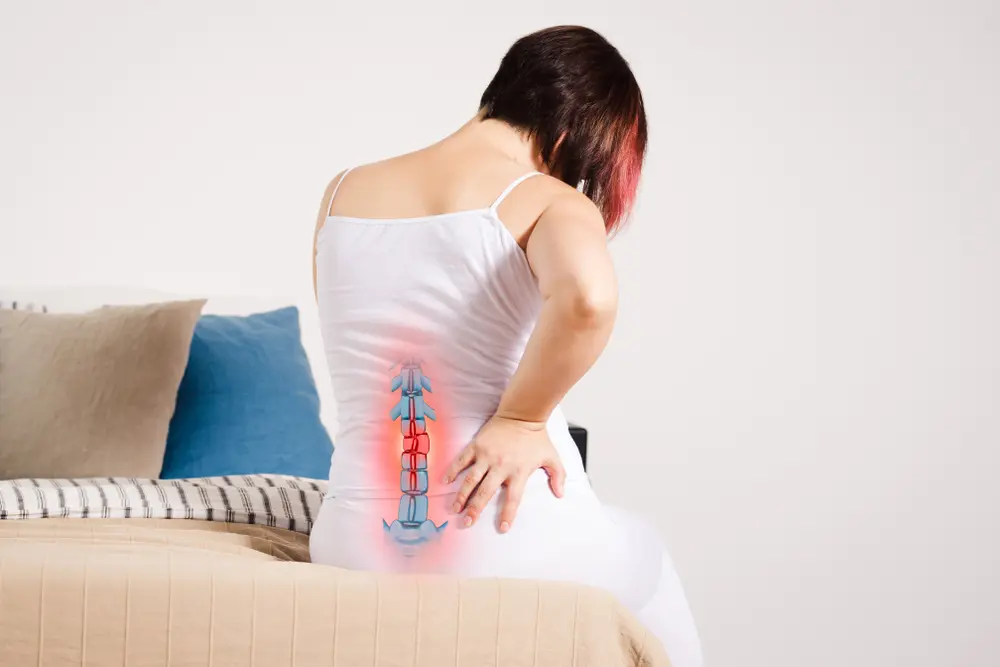
A lumbar strain is an injury to the muscles, tendons, or connective tissues in your lower back’s lumbar area caused by overuse, lifting awkwardly, twisting, or repetitive motion. These types of injuries often result from common work activities like lifting, bending, twisting, moving heavy materials, or standing for long periods.
Symptoms often include localized pain, stiffness, muscle spasms, difficulty moving, reduced flexibility, and sometimes discomfort after activity. If pain radiates into your leg or numbness or tingling arises, that suggests a different or additional problem and should be evaluated immediately.
Work-related low back pain is widespread. The National Institute for Occupational Safety and Health estimates that more than one in four U.S. workers reports low back pain. In 2023, employers recorded 946,500 cases with days away from work, with a median of ten days off.
Lumbar Strain Physical Therapy Methods
A 2025 study in BMC Public Health found that beginning physical therapy within seven days of injury correlates with significantly shorter disability periods for workers’ compensation claimants with low back pain.
To recover fully, your treatment plan should use evidence-based lumbar strain physical therapy methods. These often include:
- Manual therapy involving soft tissue massage, myofascial release, and joint mobilization to reduce muscle tension and improve motion.
- Therapeutic exercises like stretches for tight muscles, core stabilization exercises, and flexibility and mobility work for the lumbar spine, hips, and pelvis.
- Modalities for pain control, including ice early for inflammation, heat later to relax muscles, electrical stimulation (TENS), and moist heat/cold packs to alleviate pain.
- Posture and body mechanics training, such as lifting safely, using core muscles properly, avoiding twisting under load, practicing proper ergonomics at the workplace, and using supportive footwear or equipment.
- Functional and job-simulated training that simulates what your job requires, gradually increasing these demands so your body can tolerate normal work demands.
Phases of Recovery and Timeframes
A structured plan ensures safe progress. Although recovery varies, here’s a typical sequence for returning to work after lumbar injury with guided physical therapy and medical care:
Acute/Early Stage (First Few Days Through Two Weeks)
Focus on pain control and inflammation reduction with rest, ice, and gentle movement. Avoid activities that aggravate pain. Your physical therapist will assess motion, identify pain triggers, and recommend safe activity levels.
Subacute/Intermediate Stage (Weeks Two Through Six)
As pain subsides, therapy introduces stretching and light strengthening for the core, hips, and back. Mobility improves with guided exercise, posture training, and engaging in activities such as walking or standing for longer periods. You should receive education on safe lifting and ergonomics.
Functional/Return-To-Work Stage (Week Six Onward)
This stage emphasizes occupational injury recovery programs, with therapy and conditioning more closely resembling normal job tasks. Gradual return-to-work plans with modified duties help build endurance.
Successfully returning to work after a lumbar strain means performing tasks with good mechanics and manageable discomfort. Your therapist can help you determine your readiness with a functional capacity evaluation, employer-approved duty modifications, and consistent back care, like regular stretching, strengthening, and pacing your activities.
Maintenance/Prevention (After Return To Full Duty)
You’ll likely continue home exercises to maintain core strength and flexibility, using ergonomic tools and safe lifting techniques. Staying consistent with posture and body mechanics helps prevent re-injury.
Support Your Physical Therapy at Home
Support recovery by walking short distances and stretching hips and hamstrings without causing any sharp pain. Use ice for swelling early, then heat for muscle tightness.
Sit with lumbar support, take regular breaks, and practice proper lifting by keeping your knees bent, keeping the load close to your body, and avoiding twisting motions. Communicate with your therapist about pain and fatigue, and work with your employer on modified duties if needed.
JPM Physical Therapy in Queens Is the Right Choice for Help With Recovering From a Workplace Lumbar Injury

Choosing where you receive work-related back injury therapy matters. At JPM Physical Therapy, we have extensive expertise in physical therapy for back recovery in work-related settings. Recovering the right way matters, and with us, you’ll understand what’s involved in understanding the role of physical therapy in workers’ comp recovery.
Our doctors accept most insurance plans, including workers’ compensation, no-fault, and PIP (personal injury protection). Same-day appointments may be available.
If you or a loved one has suffered a workplace lumbar strain, recovery doesn’t have to be a guessing game. Call JPM Physical Therapy today at (516) 689-9921 to schedule a consultation at one of our conveniently located clinics near you.
Frequently Asked Questions: Practical Advice for Workers Recovering from a Lumbar Strain
Here are answers to common concerns patients have while progressing through treatment and preparing for a safe return to work.
Can I Continue Therapy Even After I’m Back at Full Duty?
Yes, many patients continue therapy after they return to full duty. Most benefit from occasional check-ins or “booster” sessions to refine body mechanics, progress exercises, and prevent re-injury.
Are There Special Tools or Supports I Should Use at Work?
Special tools and supports like ergonomic chairs, lumbar support cushions, lifting belts, and anti-fatigue mats can all help reduce strain at your workplace. Your therapist can recommend specific equipment suited to your job tasks.
What Role Does Stress Play in Back Pain Recovery?
Stress can increase muscle tension and slow healing. Relaxation techniques, such as deep breathing, mindfulness, and proper sleep, can support recovery and enhance the effectiveness of therapy.
Can Physical Therapy Reduce the Risk of Re-Injuring My Back at Work?
Yes, physical therapy can help prevent lumbar strain re-injury at work by strengthening core and hip muscles, teaching safe lifting techniques, and correcting posture.