

When a vehicle stops suddenly, a seat belt’s shoulder strap can lock and transmit tremendous force across the shoulder joint complex, straining muscles and tendons in ways that are not always immediately obvious. For anyone navigating this type of recovery, physical therapy for shoulder pain offers one of the most effective and well-supported paths to restoring full function.
At JPM Physical Therapy, our team provides expert physical therapy in Queens, New York, with specialized experience treating car accident injuries, including shoulder trauma caused by seat belt impact.
Why a Seat Belt Injury Can Be More Serious Than It Looks

In reporting on seat belt usage in the U.S. in 2021, the CDC indicated that non-fatal crash injuries to drivers and passengers resulted in over $220 billion in losses. For shoulder injuries specifically, a recent study found that a structured physical therapy protocol successfully avoided surgery in approximately 75% of patients with rotator cuff tears.
Adoption of the 3-point seat belt harness has contributed to nearly a 50% reduction in fatal injuries from automobile collisions, but force transmission from the strap means soft tissue injuries to the shoulder remain common.
A seat belt injury to the shoulder often appears minor at first. Soreness and stiffness in the hours after a crash can escalate significantly over the following days as inflammation develops and the full extent of tissue damage becomes clear.
The typical injuries from seat belt shoulder trauma include:
- Rotator cuff strains or partial tears
- Muscle contusions
- Tendon inflammation
- Labral damage
- Ligament sprains
- Impingement
Common Symptoms Associated With Seat Belt Shoulder Injuries
Even without a visible bruise or obvious deformity, patients frequently report various symptoms, which include:
- Deep aching pain
- Weakness when lifting the arm
- Difficulty reaching overhead
- Disturbed sleep from night pain
Without early treatment, these symptoms can develop into chronic conditions, including the painful joint stiffening known as frozen shoulder, which can take months or longer to resolve if left unaddressed.
How Physical Therapy for Shoulder Pain Targets the Root Causes of Your Symptoms
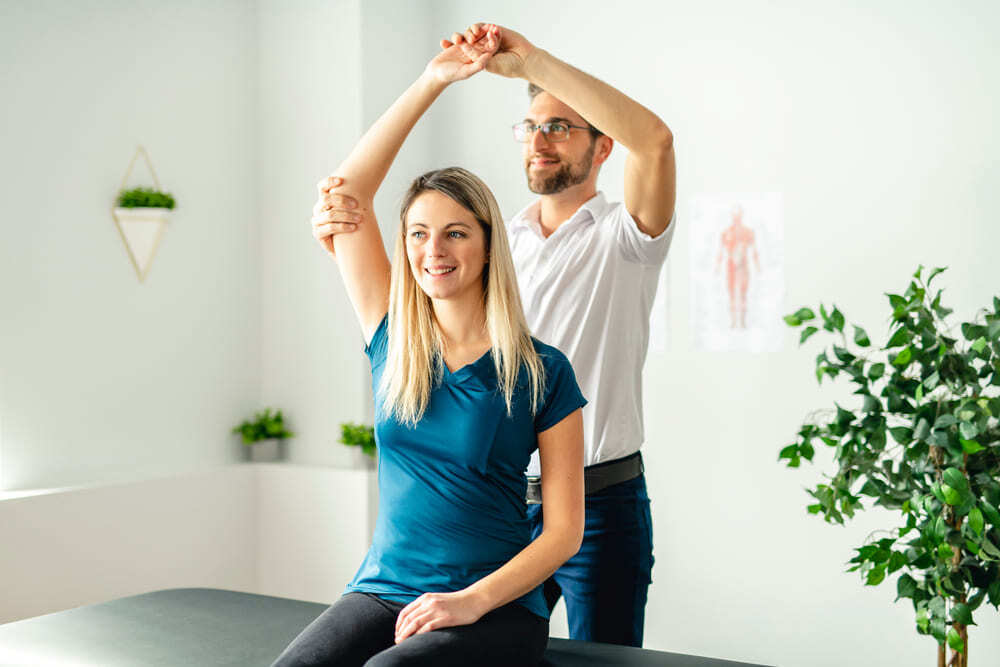
Physical therapy is proven to be effective because it targets structural and mechanical problems that produce symptoms rather than just masking discomfort. A qualified physical therapist in Queens, New York, assesses damaged tissues and how injuries affect movement.
Treatment focuses on:
- Reducing inflammation
- Restoring joint mobility
- Rebuilding muscular support
- Re-establishing coordinated movement across the shoulder and upper spine
Most patients with rotator cuff problems improve significantly with conservative rehabilitation, and many avoid surgery.
Restoring Movement With Range of Motion Therapy and Shoulder Mobility Exercises
After a seat belt injury, inflammation and muscle guarding can produce permanent stiffness without intervention. Range of motion therapy begins gently, mobilizing the joint while protecting healing tissue.
Therapists use multiple techniques to expand available motion, including:
- Pendulum swings
- Assisted arm elevation
- Wall-climbing exercises
Shoulder mobility exercises address the relationship between the shoulder blade and the surrounding musculature. Other physical therapy for shoulder pain that helps to restore smooth and more complete shoulder range of motion includes:
- Scapular mobility drills
- Thoracic spine work
- Upper back stretching
Building Stability Through Rotator Cuff Strengthening and Shoulder Joint Stabilization
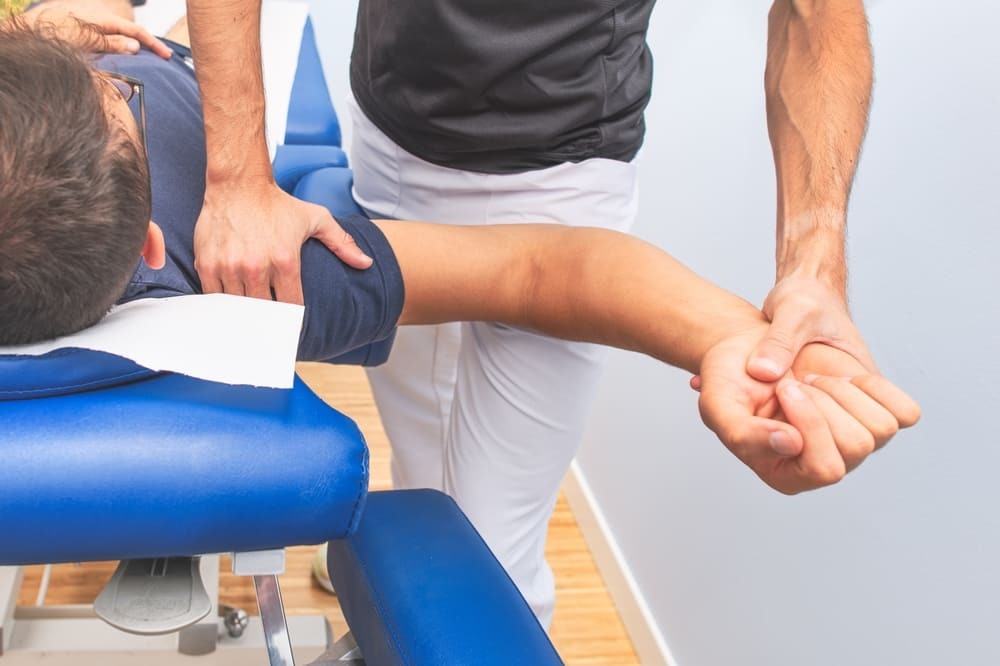
Mobility is not the only goal of a rehabilitation program. To be sure, the shoulder has the greatest range of motion of any joint, but it depends on adequate muscular support to stay stable and pain-free.
Rotator cuff strengthening rebuilds the muscles and tendons, keeping the arm bone centered in the socket. Exercises such as external rotation with resistance bands, scaption raises, and side-lying rotations restore strength without overloading healing tissue.
Shoulder joint stabilization extends this work to include the lower trapezius and rhomboids, thereby reducing stress on injured structures and the risk of reinjury.
How Manual Therapy Techniques and a Therapeutic Exercise Program Accelerate Healing
Hands-on care accelerates recovery in ways that exercise alone cannot. Skilled therapists directly apply joint mobilization and soft tissue work to:
- Reduce stiffness
- Break down scar tissue
- Improve circulation
- Calm the pain response
A therapeutic exercise program ties all components in a phased plan. Early sessions calm inflammation and protect injured tissue, while later sessions progress through progressive strengthening and functional training to prepare patients for daily life and work.
Work With an Expert Physical Therapist in Queens, New York, for Improved Shoulder Recovery
Effectively recovering from a seat belt shoulder injury requires professional guidance and consistent effort as part of physical therapy for shoulder pain built around your specific injuries and goals. Experienced local therapists offer physical therapy for soft tissue injuries with a patient-centered approach that takes every phase of recovery seriously.
JPM Physical Therapy brings years of specialized experience in car accident injury rehabilitation and delivers the individualized care that produces lasting results. Our doctors accept most insurance plans, including workers’ compensation, no-fault, and PIP (personal injury protection). Same-day appointments may be available.
Take the first step toward a full recovery by calling JPM Physical Therapy in Queens today at (516) 689-9921.
Frequently Asked Questions About Physical Therapy for Seat Belt Shoulder Injuries
Here are clear answers to the questions our team hears most often.
What Is the Difference Between a Shoulder Strain and a Rotator Cuff Tear From Seat Belt Trauma?
A strain involves overstretched or partially damaged muscle or tendon fibers, while a rotator cuff tear means those fibers have partially or fully separated. Both respond well to physical therapy, though tears generally require a longer, more carefully progressed rehabilitation timeline before full strength returns.
Is It Normal for Shoulder Pain From a Seat Belt Injury To Get Worse Before It Improves During Therapy?
Mild, temporary increases in soreness during early rehabilitation sessions are common and expected. Therapeutic exercises challenge healing tissue in controlled ways that promote recovery. A skilled therapist monitors symptoms carefully and adjusts exercise intensity to keep discomfort within productive and safe limits throughout treatment.
How Soon After a Car Accident Should Someone Start Physical Therapy for Shoulder Pain?
Starting physical therapy within the first one to two weeks after injury generally produces the best outcomes. Early intervention reduces inflammation and protects the shoulder from stiffness and muscle loss that can develop quickly when the joint is left untreated.
- 0 Comments
- seat belt injury
- shoulder injury
- shoulder therapy